Learning Design Resource Overview
Social media is a major part of everyday life for many students. Platforms such as Instagram, TikTok, Snapchat, YouTube, Reddit, and X can help people stay connected, entertained, informed, and creative. At the same time, these platforms are not neutral spaces. Many are intentionally designed to capture attention, encourage repeated use, and increase engagement through features such as notifications, likes, streaks, infinite scrolling, autoplay, and personalized recommendation algorithms.
The psychology of social media explores how these platforms influence human thoughts, emotions, behaviours, relationships, self-esteem, identity, and well-being. Fogg’s concept of persuasive technology explains how digital systems can be designed to influence attitudes and behaviour (Fogg, 2003). Montag et al. (2019) also discuss how social media and app design features can encourage repeated engagement through reward-based mechanisms. Research on social media and mental health suggests that the effects are complex: social media can support connection, belonging, and social capital, but it can also contribute to stress, comparison, sadness, isolation, sleep disruption, anxiety, and depression symptoms depending on how it is used (Keles et al., 2020; Ostic et al., 2021; Zsila & Reyes, 2023).
This learning resource is designed to help learners think critically about social media instead of treating it as simply “good” or “bad.” Learners will investigate how social media platforms are designed, reflect on their own habits, evaluate research-based claims, and create a personal digital well-being plan.
Learning Context and Learners
This module is designed for post-secondary students, especially first- and second-year university or college students. The intended learners are approximately 17–24 years old and likely use social media regularly for communication, entertainment, academic life, news, identity expression, and community building.
Learners are expected to have personal experience with social media but may have limited formal knowledge of persuasive design, behavioural psychology, social comparison, or digital well-being strategies. Because the topic is personally relevant, learners may enter the module with strong opinions based on their own experiences. Some may feel social media helps them stay connected, while others may feel overwhelmed, distracted, or negatively affected by it.
Specific learning needs may include:
- Different comfort levels discussing mental health and personal habits.
- Different levels of access to devices or screen-time tracking tools.
- Learners who benefit from visual, written, reflective, or discussion-based activities.
- Learners who may prefer private reflection rather than sharing personal social media habits publicly.
- Learners with attention, anxiety, accessibility, or language needs who benefit from clear structure and flexible participation options.
This module can be completed as a self-paced online learning resource or as part of a larger digital literacy, psychology, education, or wellness course.
Learning Theory Rationale
This module is grounded primarily in constructivist learning theory. Constructivism is a strong fit because learners are not simply memorizing facts about social media; they are connecting research concepts to their own lived experiences. Students already have prior knowledge of social media through daily use, so the module asks them to examine, question, and reconstruct that knowledge through reflection, analysis, and application.
A constructivist approach is appropriate because:
- Learners investigate real examples from their own social media environments.
- Activities ask learners to make meaning from personal experience.
- Reflection is used to connect theory to behaviour.
- Learners create a final action plan that applies concepts to their own lives.
- There is no single “correct” relationship with social media; learners must evaluate what healthy use looks like in context.
The module also includes inquiry-based learning and experiential learning.
Inquiry-based learning is used because each module begins with an essential question. Instead of telling learners exactly what to think, the resource asks them to investigate questions such as:
- How are social media platforms designed to keep our attention?
- How does social media affect the way we see ourselves?
- Does social media help or harm mental health?
- How can we create a healthier relationship with social media?
This design is effective because the topic is complex and personally relevant. Social media does not affect everyone in the same way, so learners need to evaluate evidence, compare perspectives, and apply ideas to their own context.
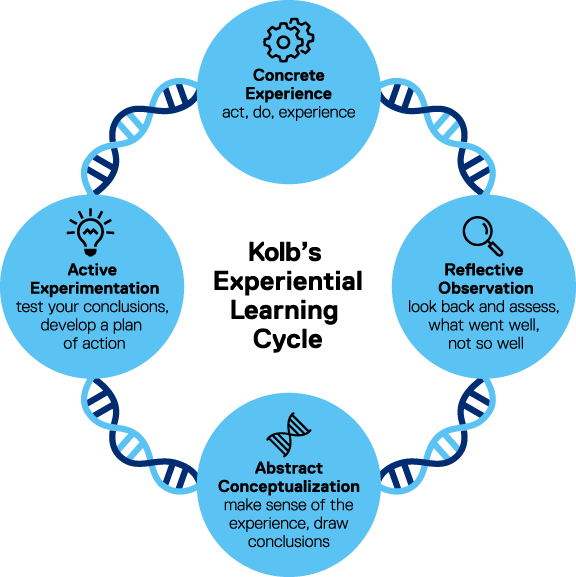
Experiential learning is used because digital habits are behavioural, not just conceptual. Learners complete a feed analysis, screen-time audit, design detective activity, case study, and personal action plan. These activities help learners move from awareness to practical change.
Learning Objectives and Essential Questions
By the end of this module, you will be able to answer these questions:
| Essential Question | Learning Objective |
| How are social media platforms designed to keep our attention? | Explain how persuasive design features influence social media behaviour. |
| How does social media affect the way we see ourselves? | Analyze how social comparison can affect self-esteem, identity, and emotional well-being. |
| Does social media help or harm mental health? | Evaluate both positive and negative mental health impacts of social media using evidence and context. |
| How can we create a healthier relationship with social media? | Apply digital well-being strategies by creating a realistic personal action plan. |
Designing for Inclusion
This module uses Universal Design for Learning principles from CAST to support learner variability. The goal is to reduce unnecessary barriers while still keeping the learning meaningful and challenging.
Multiple Means of Engagement
Learners are given choice and personal relevance throughout the module. They may reflect on platforms they actually use, choose which habits to focus on, and create goals that fit their own lives. Activities are designed to be low-stakes and reflective rather than judgmental. This matters because learners may have different emotional relationships with social media.
Examples:
- Learners can choose which platform to analyze.
- Personal reflections can be kept private unless learners choose to share.
- The final action plan is individualized.
- Case studies allow learners to discuss sensitive issues without revealing personal experiences.
Multiple Means of Representation
Content is presented through text, tables, video, examples, reflection prompts, and interactive checks. This supports learners who prefer different ways of accessing information.
Examples:
- Short written explanations introduce key concepts.
- A video is used to introduce social media and the brain.
- Tables organize comparison and screen-time data.
- Key takeaways summarize each module.
- Definitions are provided for terms such as persuasive technology, social comparison, and digital well-being.
Multiple Means of Action and Expression
Learners can demonstrate understanding through short responses, quizzes, reflection tables, discussion, case analysis, and a final action plan.
Examples:
- Learners may write, record audio, or create a visual version of their digital well-being plan.
- Formative activities include quizzes, matching, reflection, and discussion.
- The summative assessment allows personalization rather than one fixed answer.
Technology Choices
This resource is designed as a WordPress blog post because the course requires blog-based submission and because WordPress supports embedded media, links, headings, tables, and comments. The module can be completed asynchronously by learners and reviewed by peers.
Recommended technology tools:
- WordPress: Hosts the learning module in a clear, accessible format.
- Embedded video: Provides an engaging introduction to social media psychology.
- H5P quiz or Google Forms: Allows interactive knowledge checks and immediate feedback.
- Tables: Help learners organize reflections and screen-time data.
- Device screen-time tools: Allow learners to examine their own habits using real data.
- Comments or discussion board: Allows optional peer discussion and reflection.
These tools are appropriate because they support interaction, reflection, and flexible access without requiring expensive or specialized software.
Learner Module
Welcome
How many times have you checked your phone today?
For many university students, social media is a constant presence throughout the day. It helps us stay connected, laugh, learn, share, and relax. But social media platforms are also carefully designed to capture attention and encourage us to keep coming back.
In this module, you will explore how social media influences thoughts, emotions, behaviour, self-esteem, identity, and mental well-being. You will also develop practical strategies for building healthier digital habits.
The goal is not to shame social media use or tell you to delete every app. The goal is to help you use social media more intentionally, critically, and in ways that support your well-being.
Before You Begin: Quick Reflection
Answer the following questions privately before starting:
- How many hours per day do you think you spend on social media?
- Which platform do you use most often?
- When do you usually reach for your phone?
- Does social media usually make you feel better, worse, or about the same?
- What is one habit you might want to change?
Module 1: Why Can’t I Stop Scrolling?
Essential Question
How are social media platforms designed to keep our attention?
Key Concept: Persuasive Technology?
Persuasive technology refers to digital systems designed to influence people’s attitudes, choices, or behaviours. Social media platforms often use persuasive design features to encourage repeated engagement.
Common examples include:
- Infinite scrolling.
- Push notifications.
- Likes, comments, shares, and reactions.
- Streaks and badges.
- Autoplay videos.
- Personalized recommendation algorithms.
- “For You” or explore pages.
- Read receipts and typing indicators.
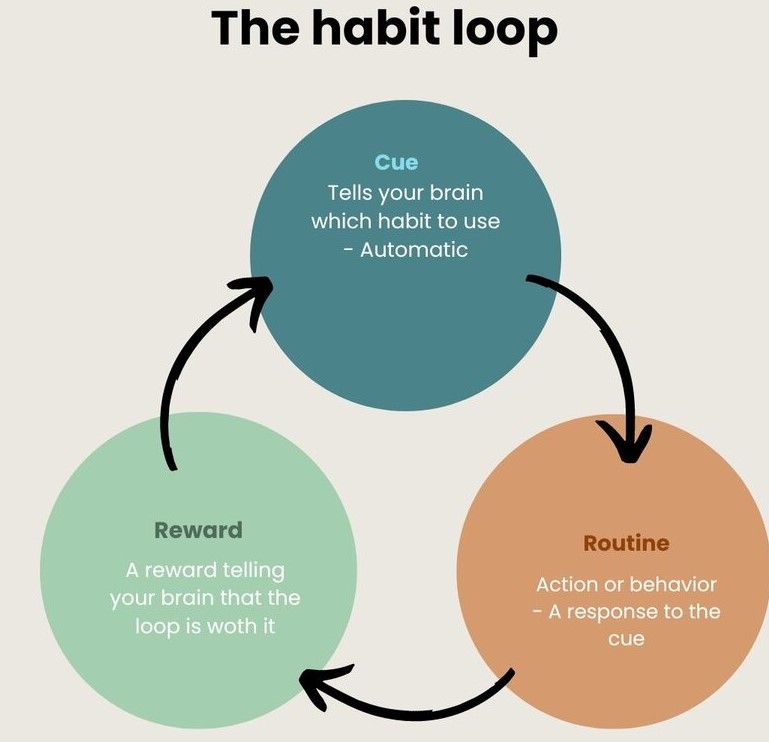
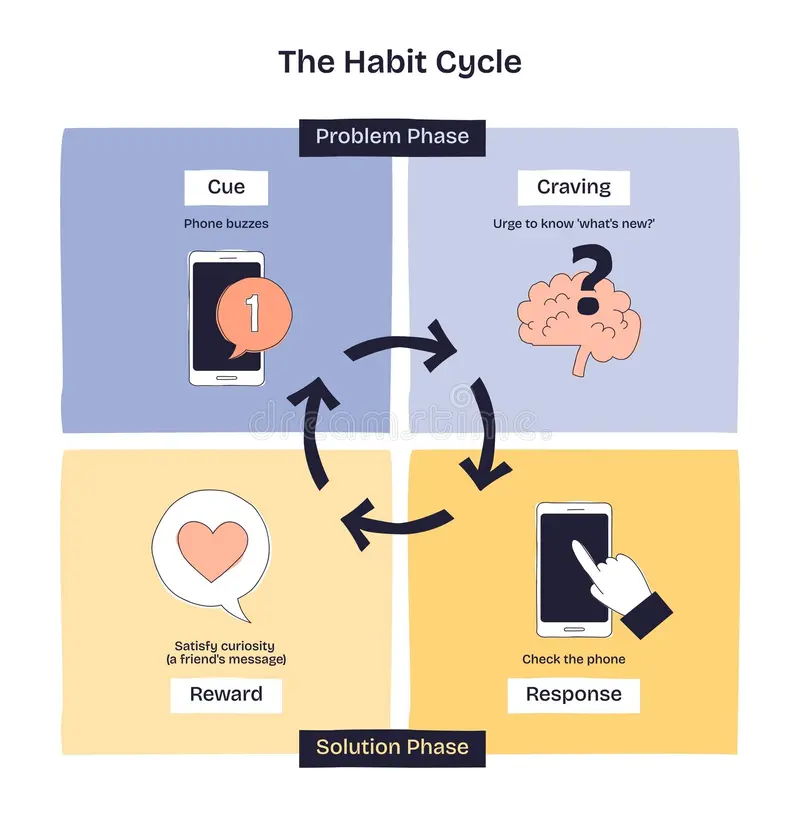
These features can create habit loops. A notification, boredom, or emotional trigger cues the user to open the app. The user scrolls, checks, likes, or responds. Then the platform provides some kind of reward, such as entertainment, social feedback, novelty, or connection. Over time, this loop can make checking social media feel automatic.
Watch
Watch: “5 Ways Social Media Is Changing Your Brain” from TED-Ed.
As you watch, consider:
- Which points feel true to your own experience?
- Which claims would need more evidence?
- Which platform features seem most habit-forming?
Activity 1: Social Media Detective
Open a social media platform you use often. Spend 5–10 minutes observing the design of the app. Try not to judge your own use yet. Just observe.
Record examples of the following:
| Design feature | Example from your platform | How it might influence behavior |
| Infinite scroll | ||
| Notifications | ||
| LIkes/reactions | ||
| Algorithmic recommendations | ||
| Autoplay | ||
| Streaks/badges | ||
| Other |
Reflection:
Answer the following:
- Which feature seems most effective at keeping your attention?
- Which feature feels most useful?
- Which feature feels most manipulative?
- What is one design change that would make the platform healthier to use?
Knowledge Check
Multiple Choice
- Which of the following is the best example of persuasive technology?
A. A phone case
B. A notification reminding you to open an app
C. A charging cable
D. A blank document
- What is the main purpose of infinite scroll?
A. To improve battery life
B. To remove natural stopping points
C. To protect privacy
D. To make text easier to read
- Which feature is most directly related to social reward?
A. Likes and comments
B. Font size
C. Airplane mode
D. Screen brightness
Answers
1: B
2. B
3. A
Key Takeaways
- Social media platforms are often designed to maximize engagement.
- Features such as notifications, likes, autoplay, and infinite scroll can encourage repeated checking.
- Understanding design choices helps users make more intentional decisions.
Module 2: Social Comparison and Self-Esteem
Essential Question
How does social media affect the way we see ourselves?
Key Concept: Highlight Reels vs. Reality
People usually post selected moments online. They may share vacations, achievements, good photos, exciting events, or polished versions of daily life. This can create a “highlight reel” effect, where other people’s lives appear more successful, attractive, social, or exciting than they really are.
Social comparison is the process of evaluating ourselves in relation to others. This is a normal human behaviour, but social media can intensify it because users are exposed to large amounts of curated content. Research suggests that social comparison on social networking sites can affect subjective well-being, and appearance-based comparisons are linked to body image concerns (Fardouly & Vartanian, 2016; Verduyn et al., 2020).
Examples of social comparison online:
- Comparing your body to influencers or edited photos.
- Comparing your social life to friends’ posts.
- Comparing your productivity to academic or career content.
- Comparing your relationship to couples online.
- Comparing your lifestyle to travel, fitness, or wealth content.
Activity 2: Feed Analysis
Spend 10 minutes browsing one social media feed. As you scroll, record what types of content you see and how they make you feel.
| Content type | Example | Emotional response | Did it trigger comparison? |
| Fitness/body image | |||
| Travel/lifestyle | |||
| Friends/social life | |||
| Influencers/celebrities | |||
| Educational content | |||
| News/current events | |||
| Humour/memes | |||
| Other |
Reflection:
Answer the following:
- Which content made you feel positive, connected, or inspired?
- Which content made you feel inadequate, jealous, anxious, or left out?
- Did the content seem realistic, curated, edited, or exaggerated?
- What kinds of accounts do you want to see more or less of?
Knowledge Check
Interactive Matching Activity
Match each term with the correct definition.
Terms:
- Social comparison
- Upward comparison
- Downward comparison
- Curated identity
- Highlight reel
Definitions:
- Comparing yourself to someone you perceive as better off.
- A selected or polished version of the self shown online.
- Evaluating yourself in relation to others.
- Comparing yourself to someone you perceive as worse off.
- A collection of mostly positive or impressive moments.
Answers
- c
- a
- d
- b
- e
Key Takeaways
- Social comparison is normal, but social media can make it more frequent and intense.
- Curated posts can distort perceptions of reality.
- Noticing emotional responses to content can help users curate healthier feeds.
Module 3: Social Media and Mental Health
Essential Question
Does social media help or harm mental health?
Key Concept: The Answer Is “It Depends”
Social media is not automatically good or bad. Its effects depend on who is using it, how they are using it, what content they are seeing, and what is happening in their offline life.
Research suggests both benefits and risks. Social media can support social connection, belonging, identity exploration, social support, and access to information (Ostic et al., 2021; Zsila & Reyes, 2023). However, some studies also link social media use with depression symptoms, anxiety, psychological distress, loneliness, sleep disruption, cyberbullying, and social comparison, especially when use is passive, excessive, or emotionally harmful (Keles et al., 2020; Verduyn et al., 2015).
Potential Benefits
Social media can:
- Help people stay connected with friends and family.
- Support community building.
- Provide access to mental health information.
- Help marginalized learners find support and representation.
- Allow creative expression.
- Support identity exploration.
- Help users learn from educational content.
Potential Risks
Social media can also contribute to:
- Anxiety.
- Depression symptoms.
- Loneliness.
- Cyberbullying.
- Social comparison.
- Body image concerns.
- Sleep disruption.
- Distraction and procrastination.
- Fear of missing out.
- Pressure to be constantly available.
Activity 3: Myth or Fact?
Decide whether each statement is mostly a myth, mostly a fact, or too simplistic. Then explain your reasoning.
| Statement | Myth, fact, or too simplistic? | Explanation |
| Social media is always harmful. | ||
| More screen time automatically means worse mental health. | ||
| Online communities can improve well-being. | ||
| Passive scrolling may affect mood differently than active connection. | ||
| Deleting social media is the only healthy solution. |
Suggested answers
- “Social media is always harmful.”
Too simplistic. Research shows both benefits and risks. - “More screen time automatically means worse mental health.”
Too simplistic. Time matters, but content, context, purpose, and emotional response also matter. - “Online communities can improve well-being.”
Mostly fact. Online communities can provide support, belonging, and connection, especially when interactions are meaningful. - “Passive scrolling may affect mood differently than active connection.”
Mostly fact. Research suggests passive use can be more strongly linked to negative well-being outcomes than active, meaningful interaction. - “Deleting social media is the only healthy solution.”
Myth. For some people, breaks or deletion may help, but many people benefit from boundaries, curation, and intentional use.
Activity 4: Case Study
Read the following learner profile:
Case Study: Maya
Maya is a first-year university student who moved away from home for school. She uses Instagram, TikTok, Snapchat, and Discord every day. Social media helps her stay connected to friends from home, and she has joined online communities related to her hobbies. However, she often scrolls TikTok late at night and loses sleep. She also notices that after looking at fitness influencers and friends’ party posts, she feels like she is not attractive enough and not social enough. Maya says social media helps her feel less alone, but it also makes her feel behind.
Analyze
Answer the following:
- What are two potential benefits of social media for Maya?
- What are two potential risks?
- What protective factors does Maya already have?
- What realistic recommendations would you give her?
- What should she avoid doing if she wants her plan to be sustainable?
Possible response
Maya benefits from social connection, hobby-based communities, and staying in touch with friends from home. However, her late-night scrolling may affect sleep, and her exposure to fitness and party content may trigger social comparison. Protective factors include her awareness of how social media affects her and her existing positive communities. Recommendations could include setting a bedtime app limit, charging her phone away from her bed, muting accounts that trigger comparison, and intentionally spending more time in supportive online communities. She should avoid setting unrealistic goals, such as deleting every app immediately, unless that is something she truly wants and can maintain.
Key Takeaways
- Social media can support or harm mental health depending on use patterns.
- Active, meaningful connection is usually healthier than passive comparison-based scrolling.
- Context matters more than screen time alone.
Module 4: Building Healthier Digital Habits
Essential Question
How can we create a healthier relationship with social media?
Key Concept: Digital Well-Being
Digital well-being means using technology in ways that support your mental, emotional, social, and academic life rather than undermining it. The goal is not perfection. The goal is awareness, intention, and realistic change.
Healthy digital habits may include:
- Turning off non-essential notifications.
- Setting app limits.
- Avoiding social media before bed.
- Curating your feed.
- Unfollowing or muting harmful accounts.
- Following accounts that educate, inspire, or support you.
- Replacing passive scrolling with intentional use.
- Taking short breaks.
- Keeping your phone away during studying.
- Noticing emotional triggers for checking your phone.
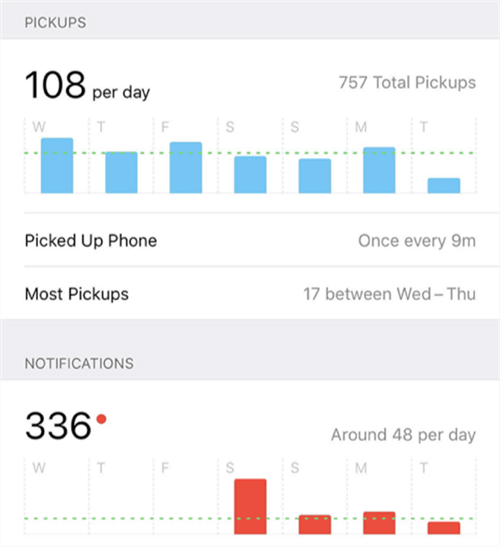
Activity 5: Screen-Time Audit
Open your device’s screen-time or digital well-being report.
Record:
| Category | Your data |
| Total daily screen time | |
| Most-used app | Number of notifications |
| Time spent on most-used app | |
| Number of notifications | |
| Number of pickups/unlocks | |
| Time of day with highest use | |
| Number of notifications | |
| App you feel best after using | |
| App you feel worst after using |
Reflection
Answer the following:
- What surprised you?
- Which number matters most to you: total time, pickups, notifications, bedtime use, or emotional impact?
- Which habit seems easiest to change?
- Which habit seems hardest to change?
Activity 6: Create Your Digital Well-Being Plan
Create three realistic goals for improving your digital habits. Use the table below.
| Goal | Strategy | Measurement | Possible Barrier | Backup Plan |
| Example: Reduce TikTok use before bed. | Put phone across the room after 10 PM. | Track bedtime TikTok use for two weeks. | I may want to scroll when stressed. | Replace with music, stretching, or reading. |
| Goal 1 | ||||
| Goal 2 | ||||
| Goal 3 |
Good goals should be:
- Specific.
- Realistic.
- Measurable.
- Connected to your actual life.
- Flexible enough to adjust.
Example goals (feel free to use these or create your own):
- Turn off non-essential notifications for one week.
- Stop using TikTok after 10 PM on weekdays.
- Unfollow or mute five accounts that trigger comparison.
- Replace 15 minutes of scrolling with a walk, reading, journaling, or messaging a friend.
- Check social media only after finishing one study task.
- Move social media apps off the home screen.
Final Assessment
For your final assessment, submit a Personal Digital Well-Being Action Plan.
Your plan should include:
- Current Habits
- What platforms do you use most?
- When and why do you use them?
- What patterns did you notice in your screen-time audit?
- Design Awareness
- Which persuasive design features affect you most?
- How do these features influence your behaviour?
- Social Comparison Reflection
- What types of content affect your self-esteem or identity?
- What types of content support your well-being?
- Mental Health Evaluation
- What are the benefits of your current social media use?
- What are the risks?
- What context matters in your situation?
- Three Digital Well-Being Goals
- Each goal should include a strategy, measurement method, possible barrier, and backup plan.
- Progress Measurement
- How will you know whether your plan is working?
- What will you track over the next one to two weeks?
Assessment Plan
Formative Assessment
Learners will complete low-stakes activities throughout the module:
- Before You Begin reflection.
- Social Media Detective activity.
- Feed Analysis.
- Matching activity.
- Myth or Fact activity.
- Case Study.
- Screen-Time Audit.
- Draft Digital Well-Being Plan.
Feedback will be provided through:
- Suggested answers for quizzes.
- Reflection prompts.
- Peer or instructor comments.
- Self-assessment questions.
- Optional discussion comments on the blog post.
The formative activities help learners check their understanding before completing the final action plan.
Summative Assessment
The final assessment is the Personal Digital Well-Being Action Plan.
Learners will be assessed using a proficiency scale:
| Criteria | Emerging | Developing | Proficient | Extending |
| Understanding of persuasive design | Identifies few or unclear design features. | Identifies some design features with limited explanation. | Clearly explains how design features influence behaviour. | Gives detailed, thoughtful examples and connects them to habit formation. |
| Social comparison analysis | Reflection is minimal or unclear. | Identifies some comparison patterns. | Explains how social comparison affects self-esteem or identity. | Provides nuanced insight into content, emotion, identity, and context. |
| Mental health evaluation | Gives a one-sided view of social media. | Identifies some benefits or risks. | Evaluates both benefits and risks using context. | Shows strong evidence-based reasoning and avoids oversimplification. |
| Digital well-being goals | Goals are vague or unrealistic. | Goals are somewhat realistic but lack measurement. | Goals are specific, realistic, and measurable. | Goals are highly personalized, sustainable, and include strong backup plans. |
| Reflection and application | Limited personal connection. | Some connection to personal habits. | Clear connection between learning and personal action. | Deep reflection with strong evidence of intentional behaviour change. |
Final Standing
Learners will receive a proficiency rating:
- Emerging
- Developing
- Proficient
- Extending
A learner will be considered successful if they reach Proficient or higher in most categories. This assessment provides reasonable confidence that the learning outcomes have been met because learners must apply each major concept to their own habits, rather than only recalling definitions.
Module Summary
Congratulations!
In this module, you have explored:
- Persuasive technology and social media design.
- Social comparison, self-esteem, and identity.
- Positive and negative mental health impacts of social media.
- Practical strategies for building healthier digital habits.
The goal is not to eliminate social media completely. For many people, social media is useful, meaningful, and enjoyable. The goal is to use it intentionally and critically so that it supports your life instead of quietly taking over your attention, mood, sleep, or self-worth.
Before you leave, return to your first reflection. Has your answer changed?
Ask yourself:
- What do I understand now that I did not think about before?
- What is one habit I want to keep?
- What is one habit I want to change?
- What is one small action I can take today?
References
Bates, A. W. (2019). Teaching in a digital age: Guidelines for designing teaching and learning.
CAST. (2024). Universal Design for Learning Guidelines version 3.0.
Fardouly, J., & Vartanian, L. R. (2016). Social media and body image concerns: Current research and future directions. Current Opinion in Psychology, 9, 1–5. DOI: 10.1016/j.copsyc.2015.09.005
Fogg, B. J. (2003). Persuasive technology: Using computers to change what we think and do. Morgan Kaufmann.
Keles, B., McCrae, N., & Grealish, A. (2020). A systematic review: The influence of social media on depression, anxiety and psychological distress in adolescents. International Journal of Adolescence and Youth, 25(1), 79–93. DOI: 10.1080/02673843.2019.1590851
Kolb, D. A. (1984). Experiential learning: Experience as the source of learning and development. Prentice Hall.
Montag, C., Lachmann, B., Herrlich, M., & Zweig, K. (2019). Addictive features of social media/messenger platforms and freemium games against the background of psychological and economic theories. International Journal of Environmental Research and Public Health, 16(14), 2612. DOI: 10.3390/ijerph16142612
OpenAI. (2026). ChatGPT (GPT-5.5 Thinking) [Large language model].
Ostic, D., Qalati, S. A., Barbosa, B., Shah, S. M. M., Galvan Vela, E., Herzallah, A. M., & Liu, F. (2021). Effects of social media use on psychological well-being: A mediated model. Frontiers in Psychology, 12, Article 678766. DOI: 10.3389/fpsyg.2021.678766
TED-Ed. (2014). 5 ways social media is changing your brain [Video lesson].
Verduyn, P., Gugushvili, N., Massar, K., Täht, K., & Kross, E. (2020). Social comparison on social networking sites. Current Opinion in Psychology, 36, 32–37. DOI: 10.1016/j.copsyc.2020.04.002
Verduyn, P., Lee, D. S., Park, J., Shablack, H., Orvell, A., Bayer, J., Ybarra, O., Jonides, J., & Kross, E. (2015). Passive Facebook usage undermines affective well-being: Experimental and longitudinal evidence. Journal of Experimental Psychology: General, 144(2), 480–488. DOI: 10.1037/xge0000057
Zsila, Á., & Reyes, M. E. S. (2023). Pros & cons: Impacts of social media on mental health. BMC Psychology, 11, Article 201. DOI: 10.1186/s40359-023-01243-x
Recent Comments