Using Video to Reflect on Social Media Habits
When searching for a video that is related to my team’s learning resource on Psychology of Social Media and Developing Healthier Digital Habits, I came across this: “5 Crazy Ways Social Media Is Changing Your Brain Right Now” by AsapSCIENCE. It stood out to me because it is short, visually engaging, and slightly unsettling in a useful way. It doesn’t just say social media is bad, but rather introduces ideas about attention, reward, multitasking, and habit formation in a way that could make learners pause and think about their own behaviour.
The video itself does not require much inherent interaction. A learner could technically press play, zone out, and move on. However, Bates (2022) explains that interaction can be reflective as well as observable, meaning that a video can still support learning if it is paired with a purposeful activity. In this case, I would not want learners to watch the video as a warning lecture. I would want them to use it as a mirror.
I’d suggest that students would compare the examples in the video to their own habits: checking notifications without thinking, opening an app when bored, or losing track of time while scrolling. To make that response more intentional, I would ask learners to complete a short Digital Habit Audit after watching. They would choose one social media habit, identify the trigger behind it, describe how it affects their mood or attention, and then choose one small change to try for a week.
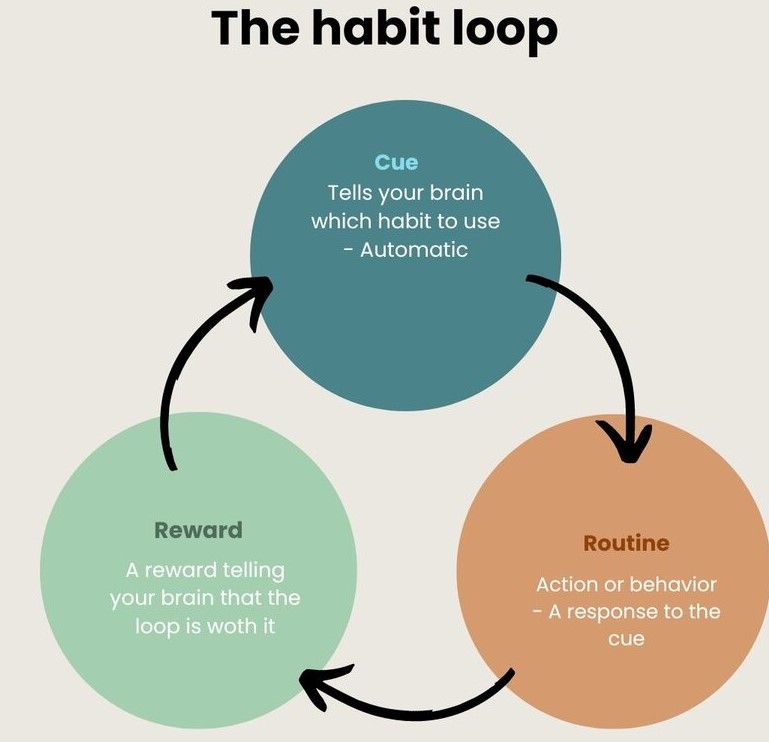
This activity would help learners develop self-regulation and critical digital literacy. Instead of only learning about the psychology of social media, they would practise noticing how platform design connects to their own behaviour. This is important because problematic social media use has been linked with higher levels of anxiety, depression, and stress among adolescents and young adults (Shannon et al., 2022).
Students could complete the audit in a blog post, Google Doc, or discussion forum. Feedback could come from peers through short comments focused on whether the habit change seems realistic and specific. As an instructor, I could respond to a few key patterns rather than marking every post in detail, which would make the activity manageable in a larger class.
To make the video more interactive, I would add pause points with questions such as “When do you usually reach for your phone without meaning to?” I would also include captions, a transcript, and an optional text-based alternative so learners are not excluded if video is difficult for them to access or process.
References
AsapSCIENCE. (2014, September 7). 5 crazy ways social media is changing your brain right now [Video]. YouTube. https://www.youtube.com/watch?v=HffWFd_6bJ0
Bates, A. W. (Tony). (2022). Teaching in a digital age: Third edition. Pressbooks. https://pressbooks.pub/teachinginadigitalagev3m/chapter/pedagogical-roles-for-text-audio-and-video/
Shannon, H., Bush, K., Villeneuve, P. J., Hellemans, K. G. C., & Guimond, S. (2022). Problematic social media use in adolescents and young adults: Systematic review and meta-analysis. JMIR Mental Health, 9(4), e33450. https://doi.org/10.2196/33450
Hi Zoe,
I enjoyed reading your post! I really like your idea of using a Digital Habit Audit because it encourages learners to reflect on their own habits instead of just watching a video. I also appreciate that you included accessibility features like captions and transcripts to make the activity more inclusive. Great job creating an engaging and thoughtful learning experience!